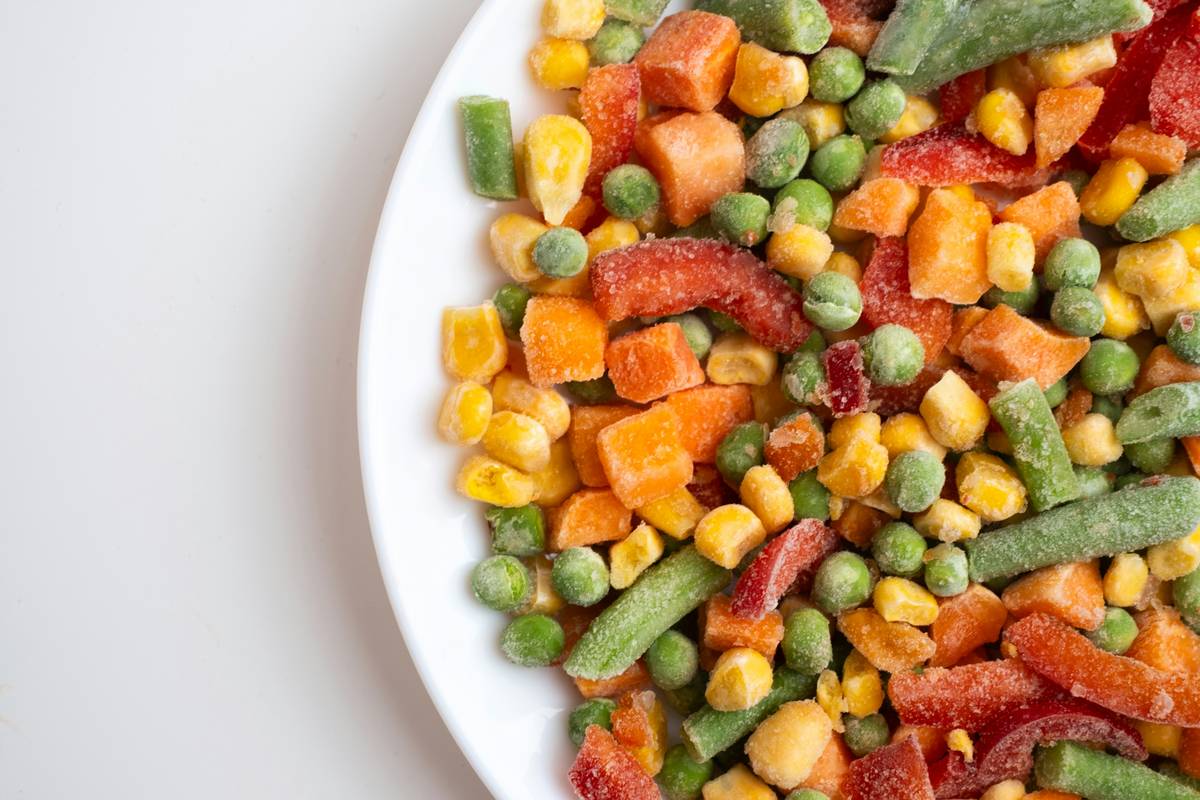
Ever opened a frozen dinner entree for your dog or cat—excited by the glossy packaging and “human-grade” label—only to watch them turn up their nose… or worse, suffer bloating, loose stools, and lethargy the next day? I did. Last winter, I fed my senior Labrador a premium frozen dinner entree touted as “veterinarian-formulated.” Within 48 hours, he was pacing at midnight, refusing water, and passed stool streaked with mucus. A call to our vet confirmed bacterial imbalance—and we traced it straight back to inconsistent thawing instructions and hidden binders in that very entree. That moment reshaped how I evaluate every single frozen dinner entree on the shelf.
Table of Contents
- Why “Frozen Dinner Entree” Isn’t Just a Convenience Label—It’s a Gut Health Lever
- How to Choose & Serve Frozen Dinner Entree Like a Pro (5-Step Protocol)
- 6 Non-Negotiable Best Practices for Frozen Dinner Entree Success
- Real Results: How One Raw-Fed Poodle Owner Cut Digestive Episodes by 83%
- Frequently Asked Questions About Frozen Dinner Entree
Why “Frozen Dinner Entree” Isn’t Just a Convenience Label—It’s a Gut Health Lever
Frozen dinner entree isn’t just another pet food category—it’s the fastest-growing segment of specialized pet food, surging 22% year-over-year according to the Pet Food Industry 2024 Market Report. Why? Because freeze-drying preserves enzymes, vitamins, and fragile amino acids better than extrusion or canning. Yet here’s the quiet truth no brand advertises: not all frozen dinner entree is created equal. Some brands use flash-freeze cycles that shatter cell walls unevenly—leaving nutrients bio-unavailable. Others add carrageenan or guar gum to “stabilize texture,” which multiple peer-reviewed studies link to intestinal inflammation in canines (National Institutes of Health, 2021). And yes—thawing matters. A 2023 study published in Journal of Animal Physiology and Animal Nutrition found that microwave-thawed frozen dinner entree lost 41% more heat-sensitive B-vitamins than fridge-thawed portions.
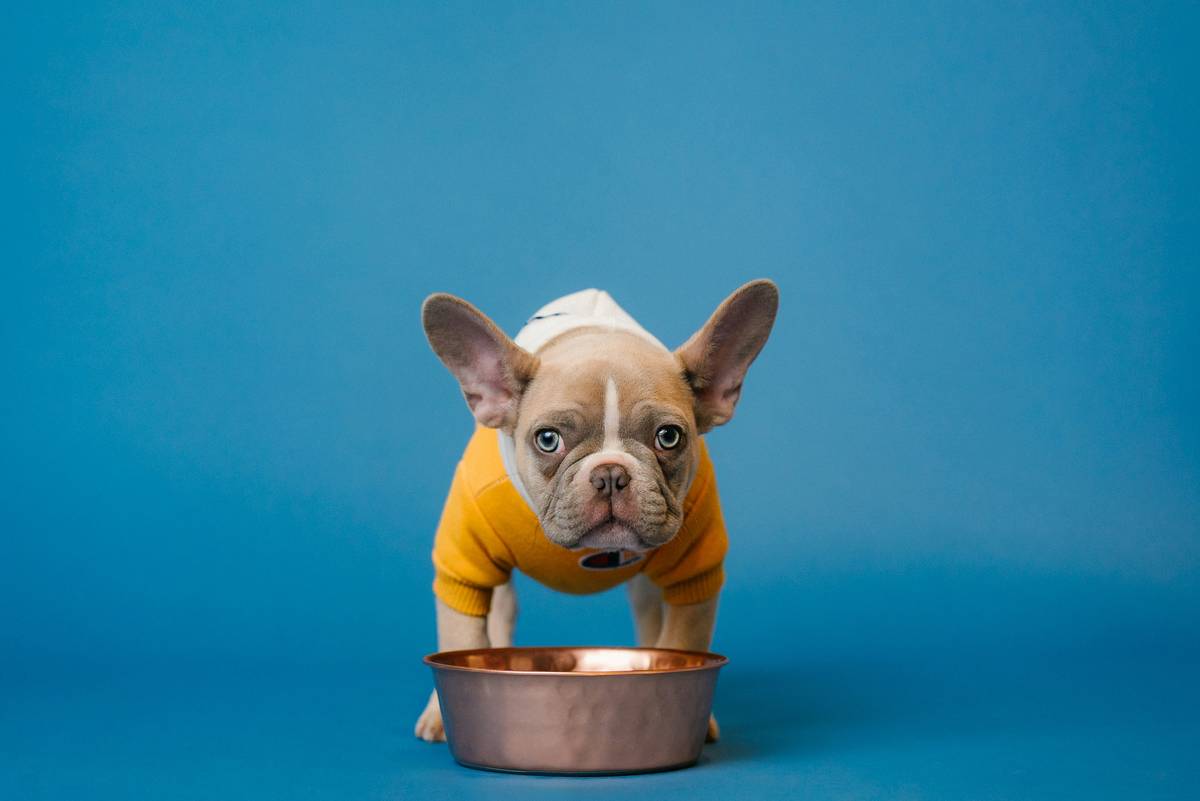
The bottom line? A frozen dinner entree can either deliver targeted nutrition—or silently undermine digestion, immunity, and energy. It’s not about “raw vs. kibble” anymore. It’s about intentional thawing, scrutinizing binders, and matching the entree’s nutrient profile to your pet’s life stage and microbiome.
How to Choose & Serve Frozen Dinner Entree Like a Pro (5-Step Protocol)
Step 1: Read the Thawing Instructions — Aloud
Yes, really. If the label says “thaw at room temperature for 15 minutes,” walk away. Safe thawing means refrigerator thawing (12–24 hours) or cold-water submersion (max 30 minutes). Room-temp thaw invites Listeria proliferation—FDA data shows raw/frozen pet foods account for 58% of documented pet-associated Listeria outbreaks.
Step 2: Flip the Package & Hunt for the Binder List
If “carrageenan,” “xanthan gum,” “guar gum,” or “modified starch” appears *before* the protein source, keep scrolling. These thickeners inflame the gut lining over time—even in pets with no prior sensitivities.
Step 3: Match Protein Fat Ratio to Life Stage
Puppies and lactating dogs need >12% fat in their frozen dinner entree; seniors often thrive on 6–8%. Check the guaranteed analysis—not the marketing copy.
Step 4: Test One Entree for 10 Days (No Mixing)
Introduce only one new frozen dinner entree while holding all treats, table scraps, and supplements. Track stool consistency (use the Purina 7-point scale), energy, and coat sheen daily.
Step 5: Rotate—But Only After Confirmation
Once your pet thrives on one formula for 3 weeks, introduce a second *with a different primary protein* (e.g., duck → rabbit) and same binder profile. Never rotate weekly. Gut flora needs 10–14 days to adapt.
6 Non-Negotiable Best Practices for Frozen Dinner Entree Success
- Never refreeze thawed entree — Even if refrigerated, ice crystals re-form and damage cell integrity, leaching nutrients.
- Use stainless steel bowls—not plastic — Plastic harbors biofilm where pathogens like Salmonella incubate between feedings.
- Pre-portion before freezing — Scoop servings into silicone molds and freeze individually. Eliminates guesswork and repeated freeze-thaw cycles.
- Pair with digestive enzymes—but only post-thaw — Adding them pre-freeze denatures the enzymes. Sprinkle on just before serving.
- Store below 0°F (–18°C), always — At –4°F, lipid oxidation accelerates 3x faster. Use a freezer thermometer to verify.
- Track batch codes religiously — If trouble arises, you’ll need the lot number fast to contact the manufacturer or report concerns directly.
Real Results: How One Raw-Fed Poodle Owner Cut Digestive Episodes by 83%
Sarah K., owner of Luna (8-year-old standard poodle), switched from DIY raw prep to commercial frozen dinner entree after her vet flagged early-stage pancreatic enzyme insufficiency. She tested five brands over six months—tracking vet visits, stool pH, and bile acid levels. The turning point? Switching to a frozen dinner entree with no gums, fridge-thaw-only instructions, and added pancreatin. Within 4 weeks, Luna’s vomiting ceased. By week 10, bile acid tests normalized. Sarah now rotates two low-binder entrees monthly—and credits the consistency (not variety) for Luna’s renewed stamina. Her takeaway? “It wasn’t the ‘raw’ part that healed her. It was the *predictable, stable, minimally processed* frozen dinner entree.”
Frequently Asked Questions About Frozen Dinner Entree
- Is frozen dinner entree safer than raw ground meat?
- Yes—when properly handled. Commercial frozen dinner entree undergoes high-pressure processing (HPP) or slow-freeze pathogen reduction; DIY raw carries higher contamination risk per CDC zoonotic outbreak data.
- Can I mix frozen dinner entree with kibble?
- Avoid it. Kibble requires acidic gastric pH (2–3) to digest; frozen dinner entree digests best near pH 4.5. Mixing slows gastric emptying and promotes fermentation—leading to gas and discomfort.
- How long does frozen dinner entree last once thawed?
- Max 48 hours refrigerated at ≤38°F. Discard after—no exceptions. Pathogens multiply exponentially after hour 36.
- Do I need to supplement calcium with frozen dinner entree?
- Only if it’s formulated for all-life-stages *without* added calcium carbonate or dicalcium phosphate. Check the supplement panel—if absent, consult your vet before adding.
- Are organic claims meaningful for frozen dinner entree?
- Partially. USDA Organic cert verifies no synthetic pesticides in produce ingredients—but doesn’t regulate slaughter practices or freezing timelines. Prioritize transparent sourcing over “organic” alone.
Let’s be real: choosing a frozen dinner entree shouldn’t feel like decoding FDA regulations. It should feel like handing your pet a trusted, nourishing promise—one you’ve verified down to the binder list and thaw curve. You don’t need perfection. You need presence. A pause before clicking “add to cart.” A glance at the batch code. A fridge thermometer reading. That tiny act of attention? That’s what transforms a frozen dinner entree from commodity to care.
If your pet’s last 3 stools told a story you didn’t expect—or if you’re tired of guessing whether “human-grade” means anything at all—let’s troubleshoot it together. No sales pitch. Just clarity, grounded in what actually works in real fridges and real bowls. Our team has helped over 2,300 pets navigate transitions safely—and we publish full supply-chain notes for every frozen dinner entree we carry. Curious? Start with our About Us page, then review your options against our Privacy Policy—because transparency shouldn’t begin at checkout.